

There’s nothing more relaxing than a freshly made bed with clean, crisp sheets. However, it seems that many sleepers are missing out on that refreshing feel as the average American changes their sheets every 24 days.
Yes, that means most US adults are sleeping on bedding that hasn’t been washed in up to three weeks. Across the Atlantic, a survey found that 24% of UK adults admit that they only wash their sheets every three to four weeks.
Article continues below
You may like
How often should you change your sheets and why?
(Image credit: Future)
While the reccomend frequency for washing bed sheets can differ from individual to individual, every Dr. Kanwal says once a week is a good target.
“If someone is not very sweaty and does not have allergies, every one to two weeks can be reasonable, but weekly washing is the cleaner and more skin-friendly routine because sheets collect sweat, body oils, dead skin, bacteria, and allergens over time,” the board-certified doctor explains.
Who should wash their sheets more often than others?
While weekly washing is the oft-recommended hygiene practice, Dr. Kanwal says that some sleepers may need to change their sheets more often.
(Image credit: Getty Images)
“I recommend washing sheets more often if someone has eczema, asthma, a dust mite allergy, oily or very sensitive skin, frequent night sweats, co-sleeping pets, or an illness that they’re recovering from,” she tells me.
“The same goes for people who exercise before bed, or live in a hot, humid environment, because moisture and buildup sit on the fabric faster,” she adds.
When you should wash your sheets more frequently?
It’s not just lifestyle factors and health conditions that can influence how frequently you should change your sheets.
According to Dr. Kanwal, the season can influence how often you should change your sheets, especially the hotter months.
What to read next
“Summer and humid weather are the big ones because sweating increases residue on the sheets,” she explains.
(Image credit: Getty Images)
Allergy season (usually between March and September in the Northern Hemisphere) may also require more sheet washing.
“Allergy season is another time to tighten the routine, especially for people with pollen or dust mite sensitivity, because bedding can hold on to allergens that keep irritating the skin and airways overnight,” Dr. Kanwal advises.
What sheet materials are best for maintaining sleep hygiene?
When choosing the best bed sheets for your sleep needs, Dr. Kanwal recommends picking breathable, machine-washable sheets that don’t irritate your skin.
“Cotton is usually the most practical choice because it is soft, washable, and commonly recommended by dermatologists for sensitive skin,” she says.
(Image credit: Future)
The health expert also explains that bedding fiber type can affect skin temperature and thermal comfort during sleep, so it’s wise to choose a material with good temperature regulation.
“If someone is very reactive or eczema-prone, I would be more cautious sweat-trapping synthetic fabrics that can increase irritation,” she warns.
How to wash wash bed sheets for the best sleep comfort?
(Image credit: Shutterstock)
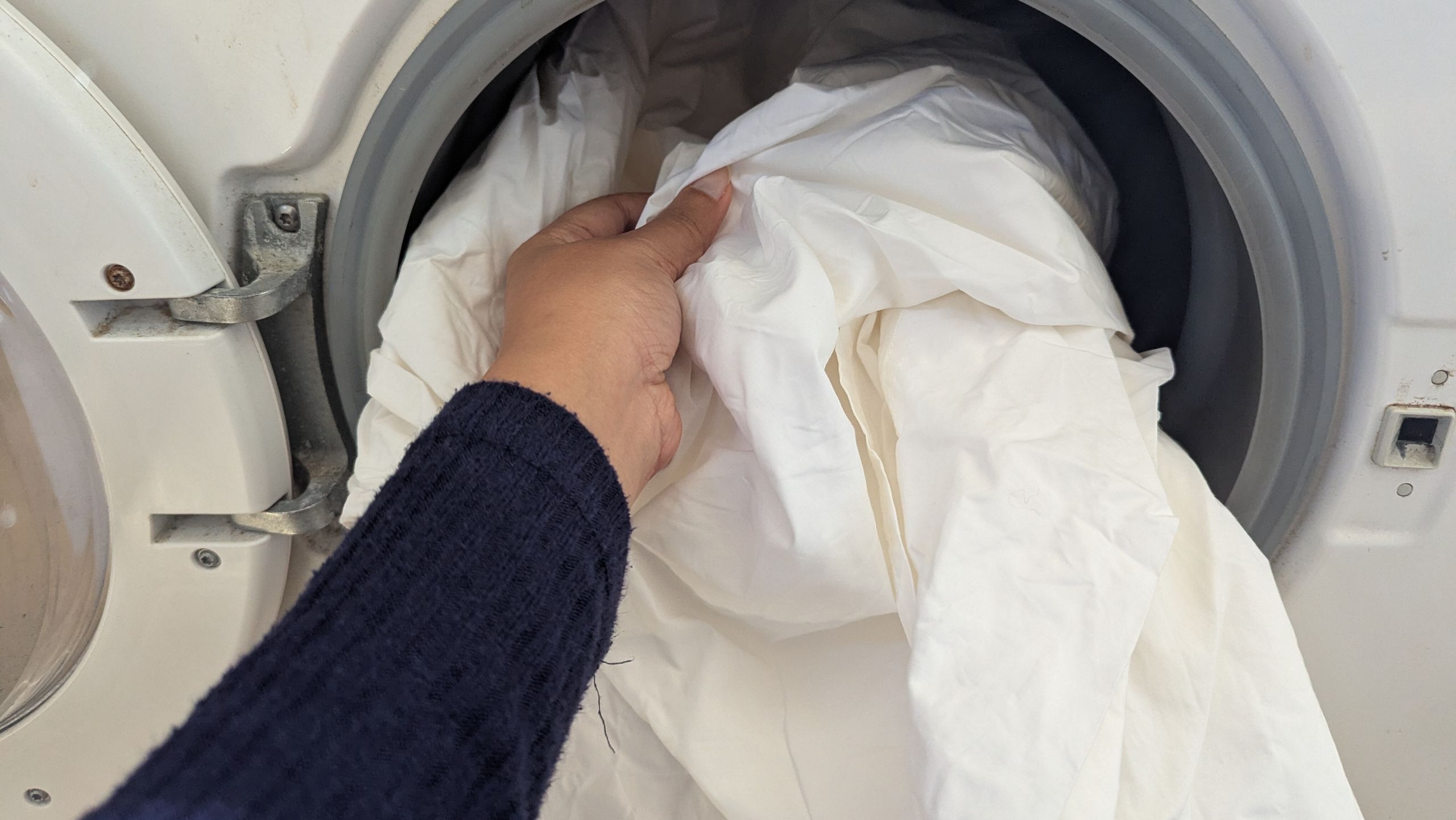
While it’s best to follow the care label of your bed sheets, as some recommend a cold, gentle wash, a lot of sheets may need warmer water for best results.
“Wash sheets in hot water and dry them fully before putting them back on the bed,” Dr. Kanwal advises. “If skin is sensitive, I recommend using fragrance-free, dye-free detergent and skipping heavily scented products.”
Follow Tom’s Guide on Google News and add us as a preferred source to get our up-to-date news, analysis, and reviews in your feeds.
