
This post brings you five practical tips to make the most of your modernization efforts. Join us for an upcoming webinar to learn even more.
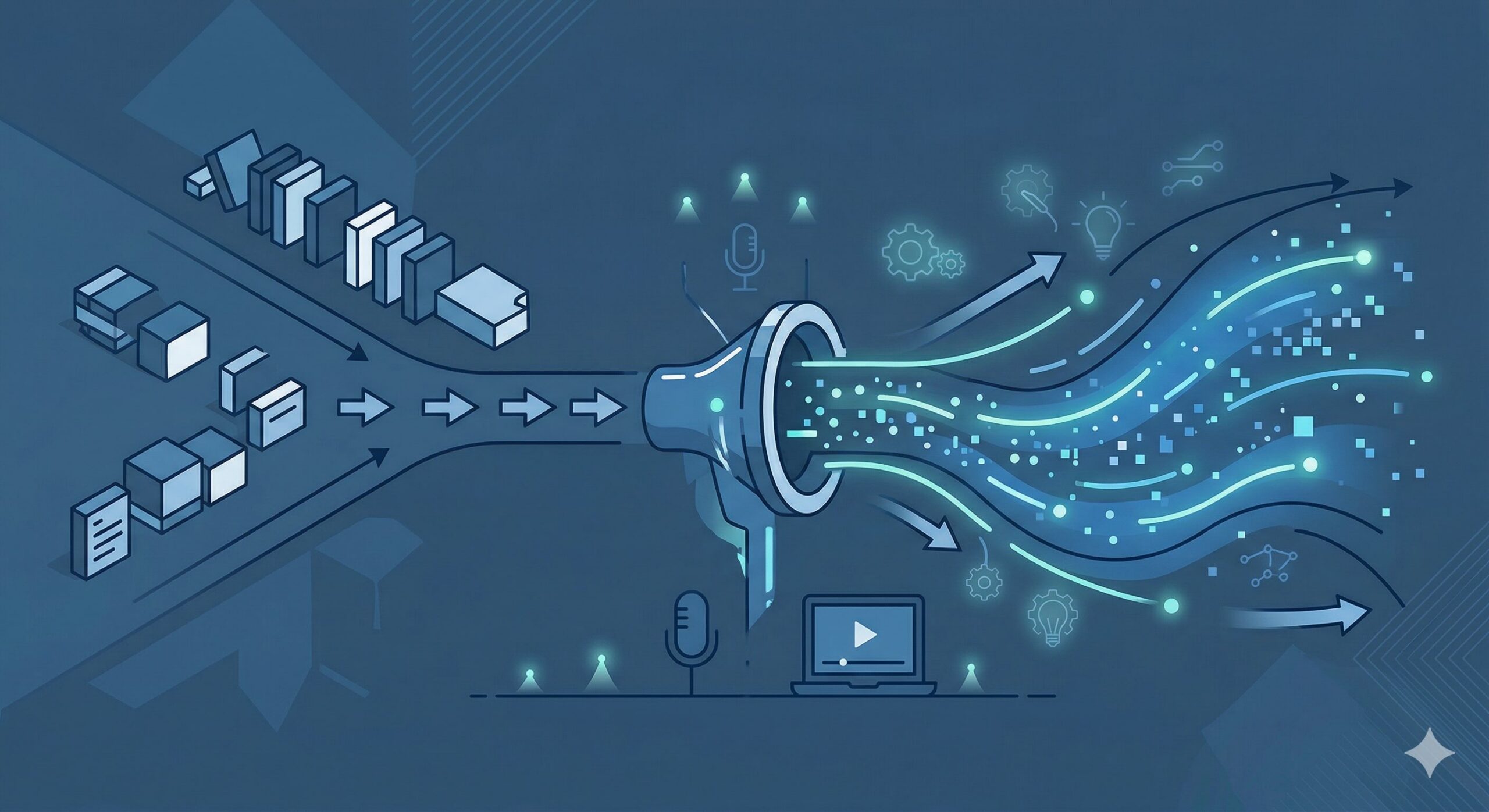
It’s a common scenario: years ago, you and your data team built a data pipeline that “got the job done” with a big overnight batch. Or maybe you inherited it. Whoever first created it, your once-reliable data stream has slowed to a trickle and can no longer keep pace with the shiny new large language models (LLMs) you’ve set loose across production.
You know you need to upgrade to a pipeline that delivers fresher data, but where to start? What should you do first? And how can you make sure that you won’t get bogged down and never actually finish the job? Here are five practical tips to keep your team on track as you modernize your data pipeline from an overnight batch system to one that consistently provides up-to-date information to your entire platform.
1. Decide which pipelines to modernize first based on impact.
You don’t need to replace your entire infrastructure overnight. Some of your batch jobs may not happen very often, not involve much data, or not prove critical to your business. Start with pipelines that will give you the biggest speed or business intelligence boost. Specifically, you’ll want to prioritize modernization of pipelines that:
- handle large amounts of data or experience frequent updates,
- feed directly into your important analytics or customer-facing features,
- tend to break often, or
- have many downstream dependencies.
Financial transactions, customer-facing reporting, alerts, and extract, transform, and load (ETL) pipelines often fit these criteria and benefit the most from switching to real-time.
2. Use Change Data Capture (CDC) to move from batch to incremental replication.
Batch means we often reprocess large portions of our data at each runtime, but CDC shifts this to only capture changes to our data. If you have a small amount of data that rarely updates or lacks time-sensitivity, you probably don’t need CDC. Teams with larger volumes of frequently changing information who already feel the need for fresher data may select CDC to build a bridge from batch to real-time. It’s a practical intermediate step that lets you reduce latency while shifting your mindset toward fully streaming architectures.
3. Take a gradual, step-by-step approach.
Think of data pipeline modernization as steadily turning up a dimmer, not flipping a light switch. You don’t need to rip out everything that’s already working. Taking an incremental approach helps you de-risk your process, show quick wins earlier, and learn along the way. You could pick one pipeline or use case to run batch and CDC/streaming in parallel for a while. Then gradually shift elements (dashboards, models, etc.) to the new system and validate results before fully switching over. Keep in mind, gradual approaches require dedicated attention toward orchestration; you’ll want to follow a coordinated roadmap and ensure the full pipeline modernization stays on track.
4. Leverage modern data platforms like Snowflake, Databricks, and Fabric.
Pipeline modernization doesn’t have to be a daunting task. Many modern data platforms can handle batch and streaming workloads, so you can support both as you transition. They’re designed to handle high volumes of data and concurrent workloads. These capabilities are especially useful for AI and ML workloads like predictive models, LLMs, or retrieval augmented generation (RAG) that depend on frequently updated data. These platforms also integrate well with orchestration tools, making it easier to manage and automate your data pipelines.
5. Consider products like CData Sync for easy pipeline orchestration.
You’ll also need to oversee your modernization overall. Which parts should you update first? Which components can you keep? How can you continue to provide customers with uninterrupted service while upgrading? It’s a complex process, but you don’t have to do it all yourself. Tools like CData Sync help automate CDC, reduce the need for custom engineering, and deliver data where it’s needed. While orchestration is a key part of shifting from batch to real-time, tools like CData Sync can make it much easier to manage.
For more tips just like these, join us for our upcoming live webinar, “From Batch to Real-Time: What It Actually Takes to Modernize Your Data Pipelines,” where you’ll hear from data experts Jess Ramos of Big Data Energy and Manish Patel, GM of Data Integration at CData.
Can’t join us live? Register anyway, and we’ll send you a recording following the webinar.
You’ll get to ask your own questions in the webinar, but expect answers to common challenges like:
- Does your team need Change Data Capture (CDC) or is it, frankly, overkill?
- What happens to those legacy pieces that you just can’t leave behind – can they integrate with cloud solutions?
- What does a realistic 90-day first step look like for a team that’s mostly batch today?
- And what does “AI-ready” actually mean at the pipeline level?
Ready to take your pipelines from batch to near real-time? Check out the full webinar details below and be sure to register using the link provided.
Title: From Batch to Real-Time: What It Actually Takes to Modernize Your Data Pipelines
Date: Tuesday, April 21, 2026
Time: 10 – 11 am ET / 7 – 8 am PT
Link: Register here
This webinar is sponsored by CData.
