

Farzadframes/Getty Images
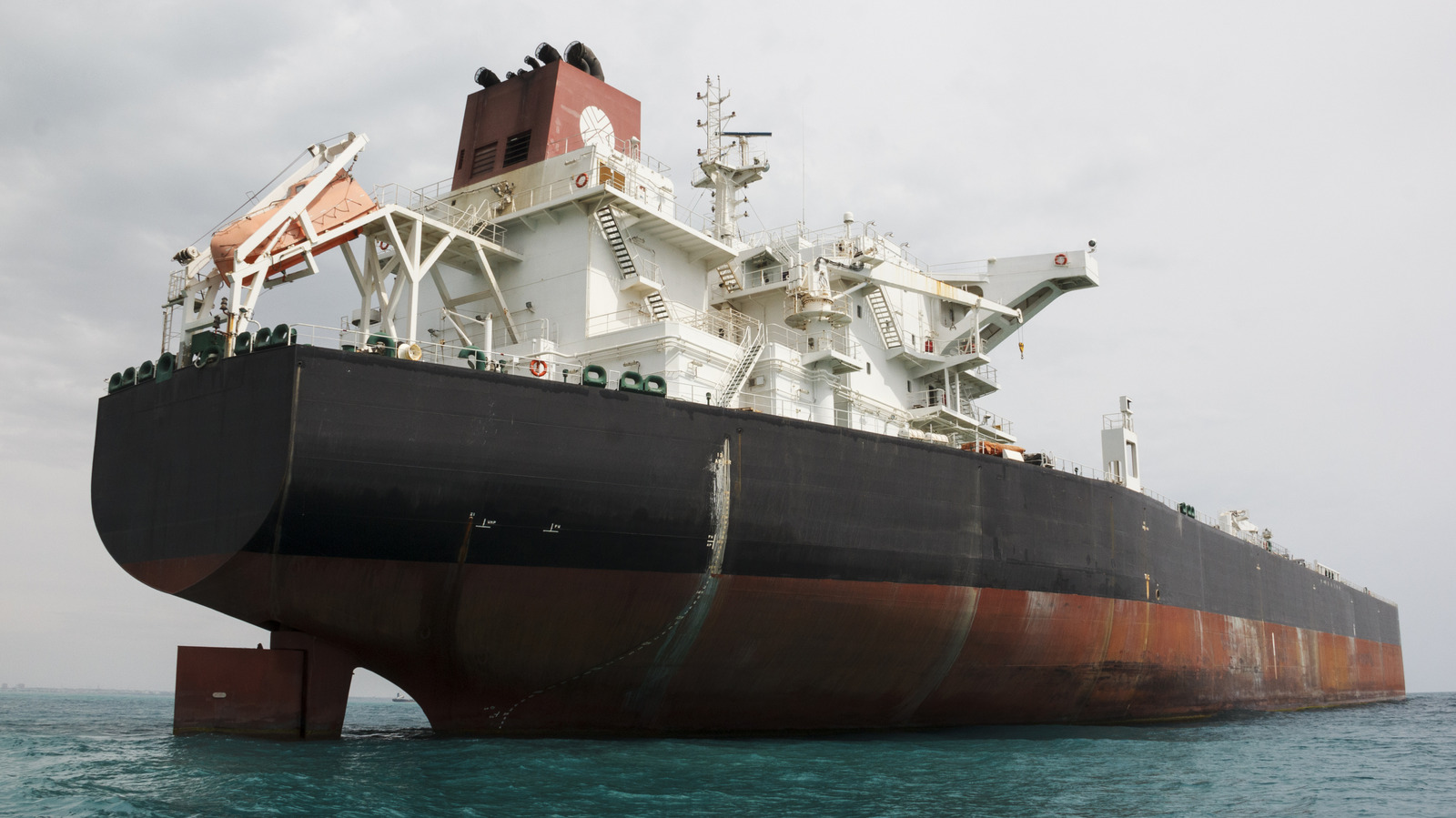
The war with Iran is affecting everyone, from ultra-luxury automakers to you and me at the pump paying over $1 per gallon more than we did a month ago. With the Strait of Hormuz pretty much closed to shipping, around 2,000 ships are stranded in the Persian Gulf, according to the United Nations. None of the 20,000 seafarers working on these ships signed up to be trapped in a war zone, but that’s the situation they now face.
“There is no precedent for the stranding of so many seafarers in the modern age,” said Damien Chevallier, Director of UN International Maritime Organization’s Maritime Safety Division. “IMO has called on all parties to the conflict to deescalate the attacks so that the seafarers can be evacuated to safety. They have been working in an active war zone for a month. It is a very scary situation and one can only imagine the psychological stress they are under.”
Iran has been willing to attack civilian targets, ranging from Amazon data centers to oil fields and refineries. There have been 19 attacks on civilian ships in the Persian Gulf, killing ten and injuring eight. That sends a message that any of them could be a target. Yet remaining out to sea may be safer than staying at a port, which could be an easy target for Iranian missiles and drones. The New York Times reports that some seafarers no longer sleep in their cabins, fearing that with the precision of modern drones, crew quarters are the most likely place on the ship to be targeted.
Attacks aren’t the only hazard
Clare Louise Jackson/Shutterstock
Another issue is simply running out of food, water, fuel, and other basic supplies. No one planned to get stranded in the Persian Gulf indefinitely, so most ships did not stock up with an extended stay in mind. The IMO is working to put ships in touch with companies in Saudi Arabia and Oman to restock needed supplies.
The main issue, however, is 20,000 civilians stuck in a war zone, most of whom don’t want to be there. Some choose to remain for the higher pay of working in such a risky area, according to Barron’s. Others are so destitute they can’t afford to lose their jobs, even under these conditions. However, most simply want to leave, since this is literally not what they signed up for. From the New York Times:
Hans Cacdac, the secretary of the Philippines’ Department of Migrant Workers, said seafarers have the right to refuse sailing in conflict zones, including through the Strait of Hormuz, and that those who do are entitled to two months’ worth of wages and free repatriation. But it remains unclear whether those protections can apply to the sailors stranded at sea.
Ship owners aren’t keen to lose their crews, even if they are legally obligated to get them out of the area at their expense. Wired reports that with many ships owned by companies in one country, registered in another, and operating somewhere else entirely, it’s a legal gray area which laws apply to protect seafarers’ rights (they’re not fortunate enough to have a union to stand by them). Some companies take advantage of this to keep them on board after their contracts are over, or even to get away with not paying them. This is a problem even without the U.S., Israel, and Iran flinging bombs at each other.
