

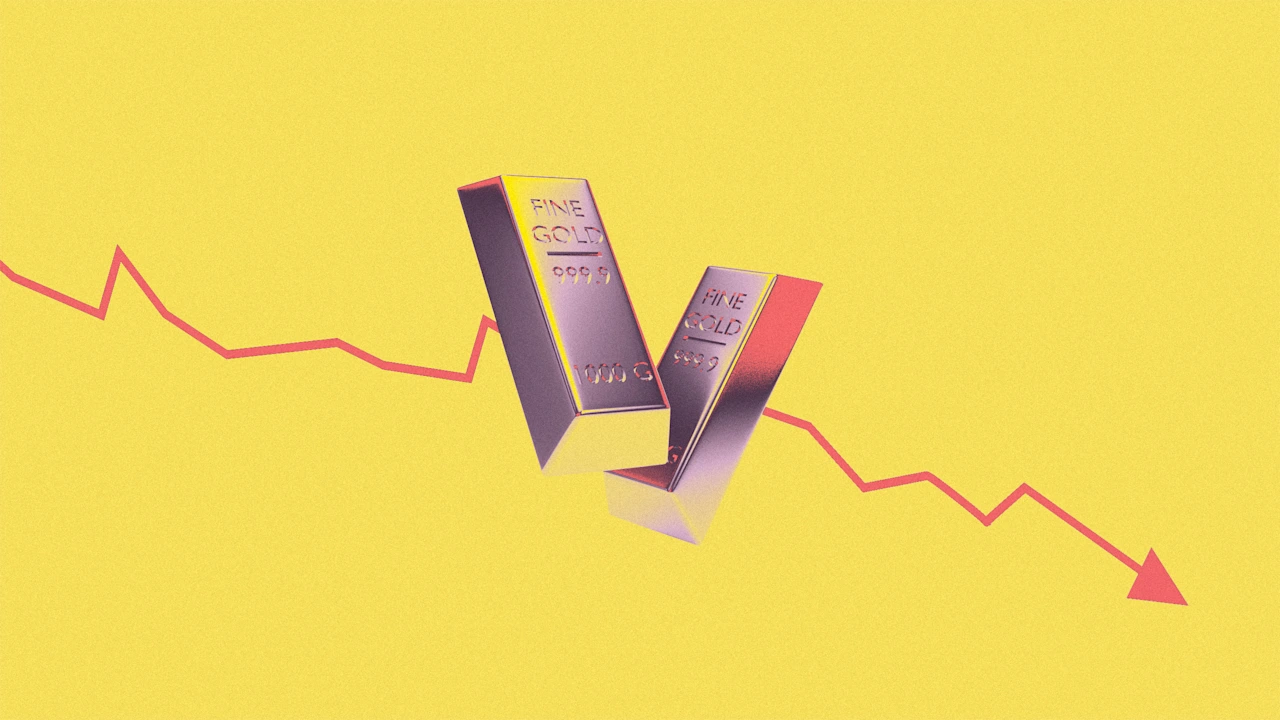
Gold and silver prices are plunging again.
Silver is down 17% in five days, and gold has fallen more than 10%. Precious metals have been particularly volatile amidst the ongoing U.S.-Iran war and broader market shifts.
Gold fell to $4,691.70 per ounce on Thursday, while silver slipped to $70.68 per ounce.
The current streak of days with consecutive losses is the longest for gold prices since 2024, Bloomberg reports. Just two weeks ago, gold hit a record high, and silver reached its own peak in February.
Prices of the two are often linked; when gold prices go up, so do silver’s (and vice versa). But this recent drop seems misaligned with the global conflict’s effect on market prices.
Safe-haven assets typically rise during geopolitical conflicts
International tensions like these generally cause gold and silver prices to rise as investors seek out alternative assets that are seen as being more stable. In 2022, gold prices reached a one-year high after Russia invaded Ukraine.
Even earlier this year, analysts pointed to global tension as a partial explanation for record-high prices.
However, precious metals aren’t the only thing facing market highs in 2026. Crude oil prices are up more than 40% year to date. So gold and silver’s continued fluctuation begs the question: What’s really controlling the market?
Oil prices are surging in response to the conflict, which has created an unusual negative correlation: As oil prices rise, gold and silver prices are dropping. As long as oil is absorbing most of the safe-haven bid, precious metals may remain largely unaffected by the ongoing war.
Moreover, the strength of the U.S. dollar generally has an inverse relationship with the prices of gold and silver. Since the dollar has been bolstered by the high oil prices and inflation, gold and silver are facing pressure.
The big takeaway is that gold and silver prices aren’t just reacting to war-triggered fear right now.
Inflation and a strong U.S. dollar appear to be outweighing geopolitical concerns. The plummeting precious metal prices might indicate that investors are prioritizing the dollar and oil over gold and silver. Their resistance to solely geopolitical shifts might result in continued volatility in the coming months.
