
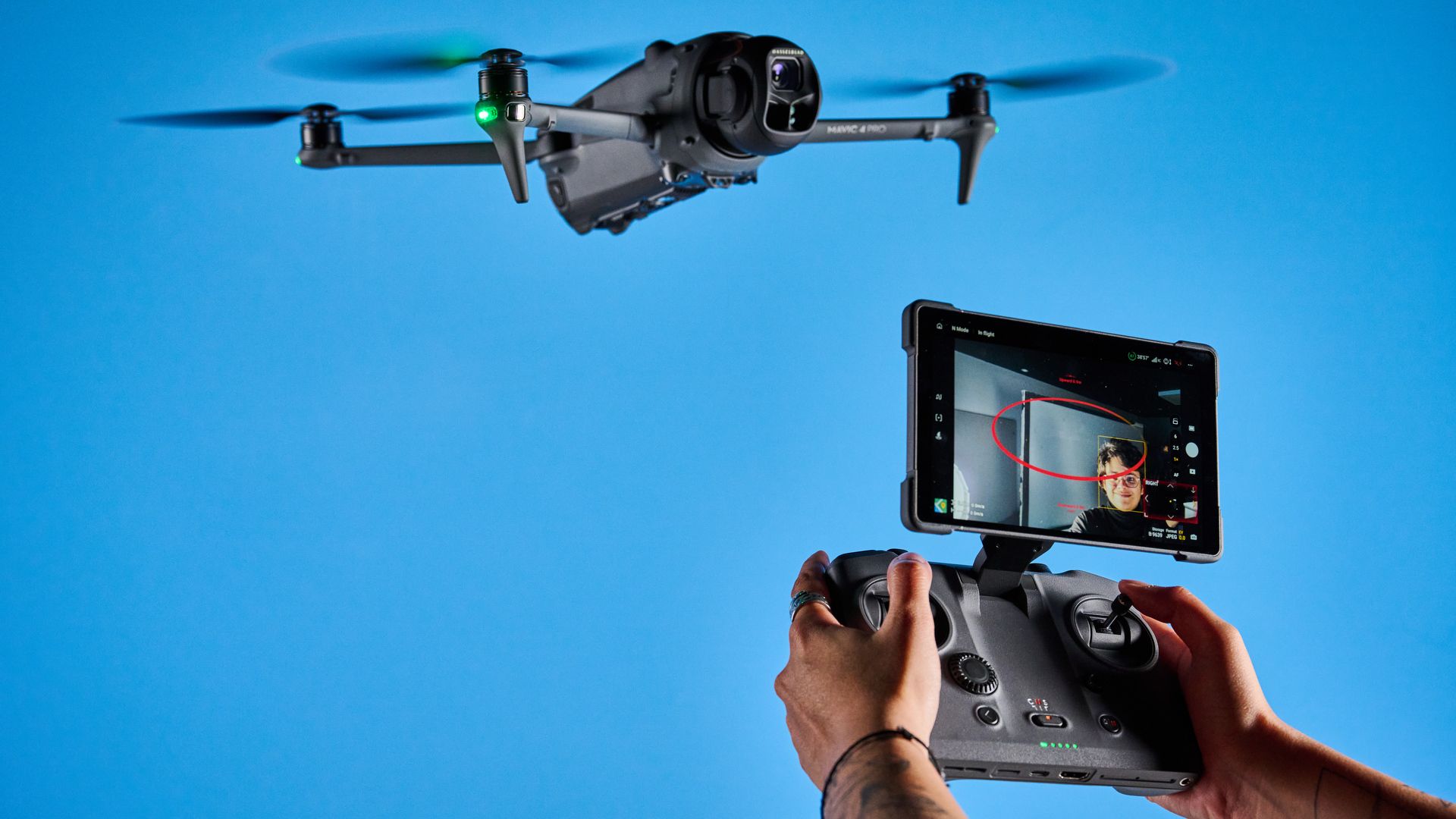
On December 23 2025, the Federal Communications Commission made it impossible for U.S. customers to buy new foreign-made drones — specifically, those made by Chinese manufacturers, including DJI, the biggest drone maker in the world right now.
This ordeal has been going on for some time now, and this final blow comes shortly after the FCC unanimously voted to give itself the ability to retroactively ban devices and radio components in November.
You may like
Although DJI has released many new drones this year, the DJI Mini 5 Pro, the DJI Mavic 4 Pro and the DJI Neo 2 haven’t been available to buy directly through DJI since launch — and that’s due to the looming ban, which has now become a reality.
What does this mean for existing drone owners?
(Image credit: Future)
If you already own a DJI or other foreign-made drone, you don’t need to worry about anything right now.
If you already own a DJI or other foreign-made drone, you don’t need to worry about anything right now. You can still fly it, legally. The FCC has emphasized that the ruling does not affect quadcopters that have already been purchased, and it doesn’t impact device models that have previously received FCC authorization either.
Existing drone owners can continue to fly their quadcopters while retailers can continue to sell models approved earlier this year or previously through the FCC’s equipment authorization process. This, technically, would mean that the rumored DJI Osmo Pocket 4 will be released to the American audiences, as it has been formally registered with the FCC — but we don’t have any official confirmation or release date yet.
DJI should continue to provide DJI Care Refresh and repair services for existing drones and devices that have already been approved by the FCC, too. So, according to the FCC ruling on December 23, the new restrictions would apply only to new device models going forward.
Will this impact emergency services?
(Image credit: Tom’s Guide)
Most of the best drones are made by the likes of DJI, HoverAir, Potensic and Antigravity. These are all Chinese brands, and the FCC’s ban will impact them, making existing stock either scarcely available and new stock not available at all.
This will, in time, impact emergency services and first responders who utilize drones to get a bird’s eye view on the situation they’re tackling.
You may like
(Image credit: DJI)
The infographic above, created by DJI, shows the impact of the drone ban on American first responders. The lack of American-made drones makes the situation worse, as there are virtually no alternatives. There are some jarring numbers in the infographic too, such as:
- “Austin Police Department estimated that replacing its drone fleet — comprised entirely of DJI products — would cost $120,000“
- “The cost to replace the grounded drones in Florida is estimated at $200m“
- “‘Compliant’ alternatives are harder to access and can take up to 6 months for delivery.”
The drone ban, then, will deprive countless individuals and professionals of essential equipment that has become fundamental to not only workplace safety, but operational efficiency too, and it will cost a lot of money (and time) to replace foreign-made technology.
What happens going forward?
(Image credit: Tom’s Guide)
The FCC says that exceptions may be granted if the Department of Defense or the Department of Homeland Security deems a specific component or drone does not pose a security risk — but how that will be determined remains to be seen as the FCC has not confirmed the implementation and extent of it.
December 23 marks a major milestone in the United States’ history, and the drone ban is sure to impact hundreds of thousands of consumers and professionals. While existing drones are allowed to fly freely, we do not know how long that will be allowed for, either.
Do you own a drone? Were you planning to buy one? Have your say on what this means for you in the comments box below.
Follow Tom’s Guide on Google News and add us as a preferred source to get our up-to-date news, analysis, and reviews in your feeds.
