

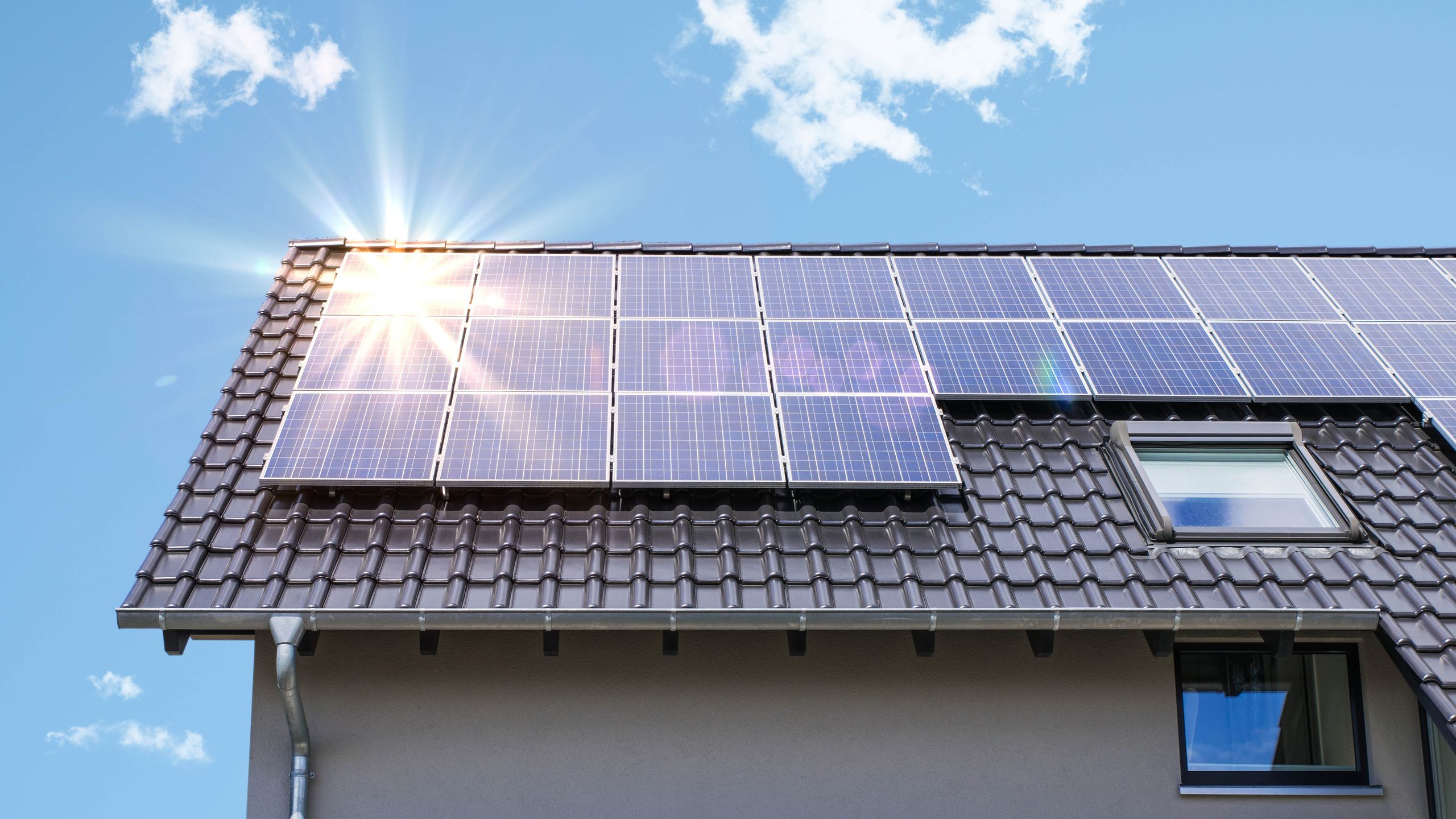
With the cost of living on a never-ending rise, many homeowners are opting for solar panels to power up their homes. Utilizing the sun’s free energy is one way to keep bills down over the long run.
Adding solar panels to your home might seem straightforward, but there are vital factors to consider before installing them. In fact, our UK Phones Editor, who considers his solar panels the best home purchase he ever made for his home, regrets not knowing such details earlier.
According to an energy expert, homeowners frequently make a specific mistake that could lead to unnecessary costs. And if the whole purpose is about saving money, you’ll want to ensure that you get the most out of your investment. So what is this factor that often gets overlooked when installing solar panels?
Article continues below
You may like
Not being on the correct utility energy plan
Electric meter (Image credit: Shutterstock)
One of the things we don’t often consider is understanding our utility provider’s specific requirements for solar panel installation and, essentially, whether the system will lead to long-term financial savings.
While your new bill may be significantly lower than what you’d previously paid, you may still find yourself with an account balance. Being on the correct energy plan can make all the difference.
“Most homeowners believe their work is finished once solar panels are installed, but that is a mistake,” states Greg Field, Solar Home Realtor/energy consultant at PGT Home Energy Solutions. “For instance, in Arizona, the biggest error is failing to align the system with the correct utility rate plan.
“Despite spending thousands on hardware, many lose hundreds each summer by remaining on the wrong plan with SRP or Arizona Public Service (APS). Solar is not a set it and forget it appliance — it is a financial tool that requires active management.”
To find out exactly how much money you can save on your energy costs, it’s recommended that you should contact your utility company or consult a local solar installer who understands the available options in your particular region.
“While this (incorrect plan) doesn’t damage the panels, it destroys your return on investment,” adds Field. “In our 115-degree Fahrenheit heat, being on a standard plan instead of a Demand Charge or Time-of-Use plan often means selling excess power to the grid for pennies and buying it back at night for triple the price.
“This lack of rate arbitrage can result in a $200 monthly bill even if your panels produce 100% of your annual needs.”
What to read next
In addition, if your utility provider does not offer net metering, you can maximize the value of each solar kilowatt-hour by storing the energy in a battery rather than feeding it back into the grid.
Again, be sure you do some research to help you select the appropriate battery to meet your household’s energy requirements. There are several batteries available that operate much like smart home appliances, offering homeowners greater command over the use of their stored energy.
Your solar panels can ‘super cool’ your home
Turning on an air conditioner (Image credit: Shutterstock)
Another top tip is to ‘super cool’ your home — that will not only be more energy efficient but will keep the running costs down. “Run your AC at 68 degrees Fahrenheit from 9am to 2pm while your panels are producing at their peak,” advises Field.
“This allows you to use your home as a thermal battery, keeping the AC off during expensive peak hours.”
Alternatively, you could try these cooling fan tricks to beat the heat without AC. Or these 7 simple layout changes to cool down your living room.
So before you invest in your solar panels for your home, check which energy plan is the right one for you in the long-term — and save serious cash.
For top tips, check out our 7 tips to improve the performance of your solar panels.
Follow Tom’s Guide on Google News and add us as a preferred source to get our up-to-date news, analysis, and reviews in your feeds. Subscribe to Tom’s Guide on YouTube and follow us on TikTok.
