

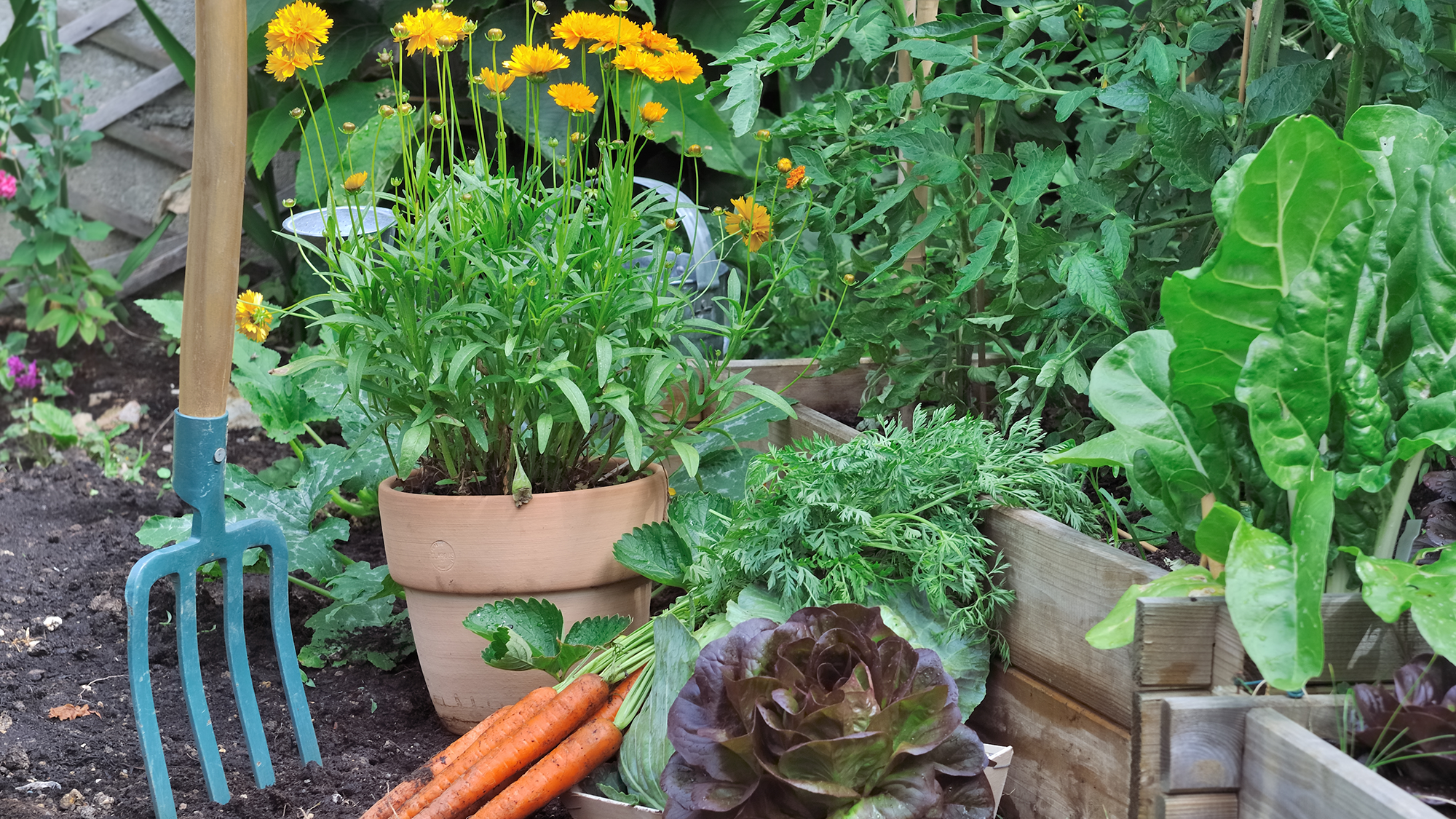
April is one of the most rewarding months for growing your own vegetables. It marks the first full month of spring, synonymous with growth and greenery, and the risk of severe frost starts to ease.
Even if you’ve started seeds indoors, April is the perfect time to start sowing a wide range of crops directly outdoors. The warmer, longer days mean that the soil is more hospitable for seed germination.
Article continues below
You may like
Whether you’re working with a large garden or a few containers, here are some of the best vegetables to sow in April — and how to get them off to a strong start.
1. Carrots
(Image credit: Shutterstock)
Carrots are a cool-season root vegetable that grow best when sown directly into the soil. April is an ideal time to sow carrots, as the soil is warming but still cool enough to prevent the roots from becoming tough or woody. Sowing now also helps avoid some of the pests that become more active later in the season, such as carrot rust fly larvae and carrot weevils.
How to plant
Sow seeds thinly in shallow drills about ½ inch deep, spacing rows around 12–15 inches apart. Keep the soil consistently moist while seeds germinate, which can take up to two weeks. Once seedlings appear, thin them out to avoid overcrowding and to allow the roots to develop properly. For the straightest roots, remove stones from the soil beforehand and avoid transplanting, as carrots dislike root disturbance.
Growing zones: 3–10
2. Beets
(Image credit: Shutterstock)
Beets are an easy-to-grow root vegetable that thrives when sown in spring. Although not an obvious favorite on the dinner table, beets can be surprisingly versatile and are a great way to add a serving of pink to your plate. You can also harvest the young leaves early as a nutritious addition to salads. Beetroot sown in April benefits from warming soil, which helps the seeds germinate more quickly and evenly. Starting now also gives plants plenty of time to mature before the heat of summer.
How to plant
Sow seeds about 1 inch deep and space them roughly 3–4 inches apart. Each seed cluster can produce multiple seedlings, so thin them out once they’ve grown a few leaves to ensure sufficient airflow and space to mature. Water regularly to keep the roots tender and prevent them from becoming woody.
Growing zones: 2–11
3. Spinach
(Image credit: Shutterstock)
Spinach is a nutrient-rich leafy green that grows best in cooler conditions, despite being a year-round favorite of salad-lovers. Sowing spinach in April gives it time to grow and mature before it gets too hot, which is necessary to avoid bolting. Spinach is a great option if you’re looking for produce with early harvests, but it can also be picked repeatedly if you harvest the outer leaves, so you can enjoy it for months on end.
What to read next
How to plant
Sow seeds in rows about ½ inch deep, spacing them a few inches apart. Keep the soil moist and harvest regularly to encourage continued growth. In warmer areas, choose bolt-resistant varieties for best results. Providing partial shade later in the season can also help prolong production.
Growing zones: 3–9
4. Radishes
(Image credit: Shutterstock)
Radishes are one of the quickest vegetables to grow, making them ideal for April sowing. Their peppery flavor and crunchy texture are a pleasant addition to spring salads, plus their high water content makes them refreshing. With April’s warmer soil, seeds germinate rapidly and can be ready to harvest in as little as three to four weeks. Their fast growth also makes them a great option for filling gaps in between slower-growing crops.
How to plant
Sow seeds thinly in shallow drills and cover lightly with soil. After seedlings emerge, thin out the crop to prevent overcrowding. Be sure to water consistently to ensure crisp, tender roots and, for the best flavor, harvest promptly; leaving radishes in the ground too long can make them woody or overly spicy.
Growing zones: 2–10
5. Peas
(Image credit: Shutterstock)
Peas are a classic spring vegetable that thrive in cooler weather, as it preserves their natural sweetness. April is a great time to sow peas in most regions, since this is a temperate period for most of the U.S., and peas can struggle in summer heat. Early sowing gives plants time to establish and climb before temperatures rise, so that there is more vine upon which the peas can grow and a larger harvest.
How to plant
Sow seeds about 1–2 inches deep and provide support such as netting or trellises as plants grow. Soaking seeds overnight before planting can help speed up germination, especially in cooler soils. Water regularly and harvest pods frequently to encourage continued production.
Growing zones: 3–9
6. Spring onions
(Image credit: Shutterstock)
Spring onions are a versatile, easy-to-grow crop that can be sown little and often. While not as ubiquitous in the kitchen as the standard onion, spring onions are a useful way to add color and flavor to a variety of meals — both in raw and cooked form. Sowing in April allows for a steady supply of fresh onions throughout late spring and early summer. They also don’t take up much space, making them ideal for small gardens or containers.
How to plant
Sow seeds thinly in rows if growing in a vegetable patch, or scatter evenly across a container. Then lightly cover with soil. You may thin seedlings if needed, but this isn’t as necessary as with other crops. Keep the soil moist to support steady growth and harvest once the stems reach a usable size. For a continuous supply, sow a new batch every two to three weeks through spring.
Growing zones: 3–10
7. Green beans
(Image credit: Shutterstock)
Green beans are easy to grow and highly productive, meaning you get a lot of bang for your buck. This warm-weather vegetable comes in compact bush and climbing varieties. Since climbing beans grow upwards along a vine and keep a relatively small footprint, they are ideal for smaller spaces or for filling in gaps in the garden — just make sure you have a trellis or pole handy.
By April, soil temperatures in many regions are warm enough to support germination, making it a good time to start sowing beans outdoors in milder zones. If you live in cooler, northern climes, then hold off on outdoor sowing; you could consider starting these seeds indoors instead.
How to plant
Sow seeds about 1 inch deep in well-draining soil in a sunny spot, spacing them 2–4 inches apart. Water regularly, especially during flowering, to encourage a good crop. Avoid sowing into cold, wet soil, as this can cause seeds to rot before they germinate.
Growing zones: 5–10
Gardening essentials we love
Follow Tom’s Guide on Google News and add us as a preferred source to get our up-to-date news, analysis, and reviews in your feeds. Subscribe to Tom’s Guide on YouTube and follow us on TikTok.
